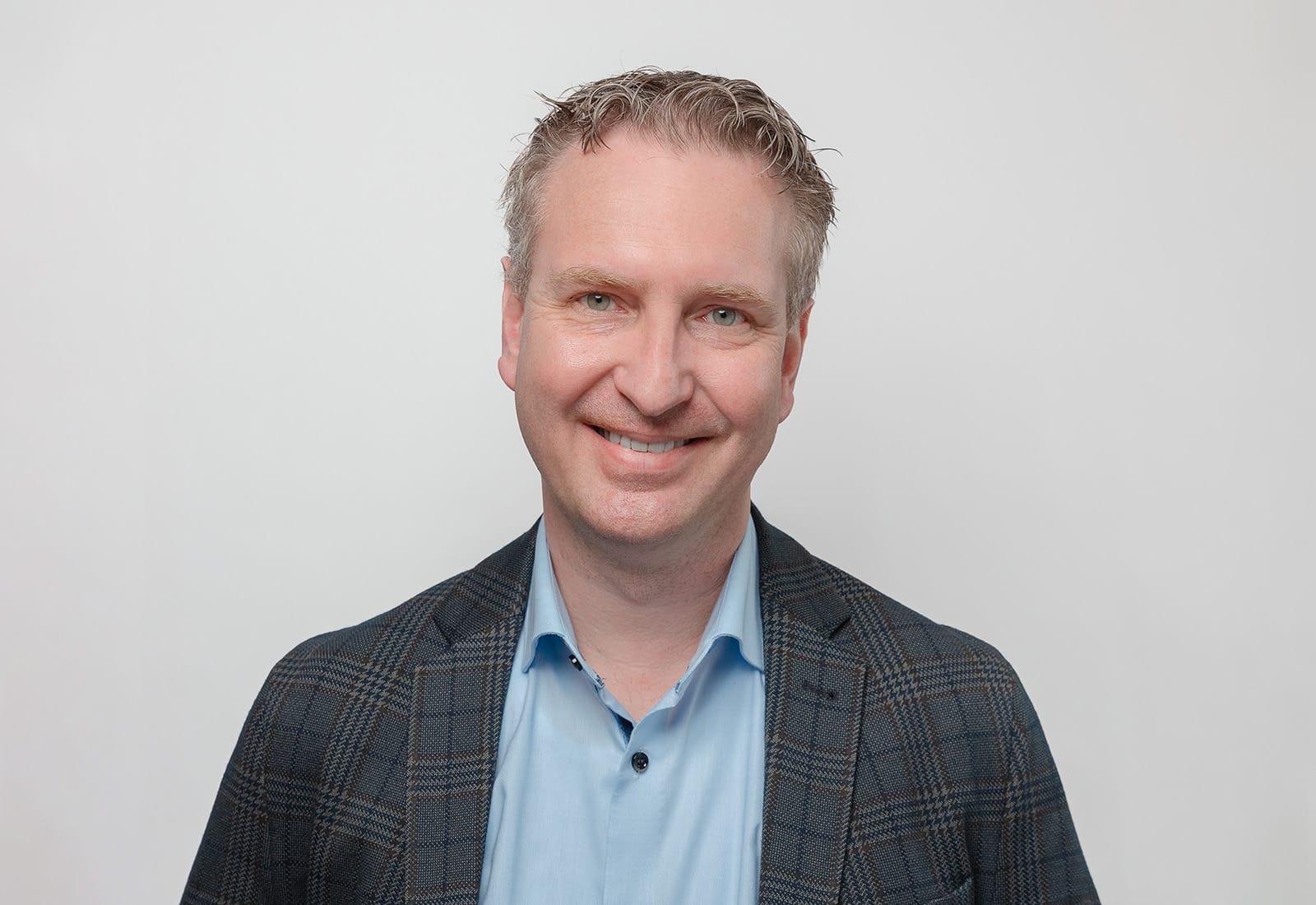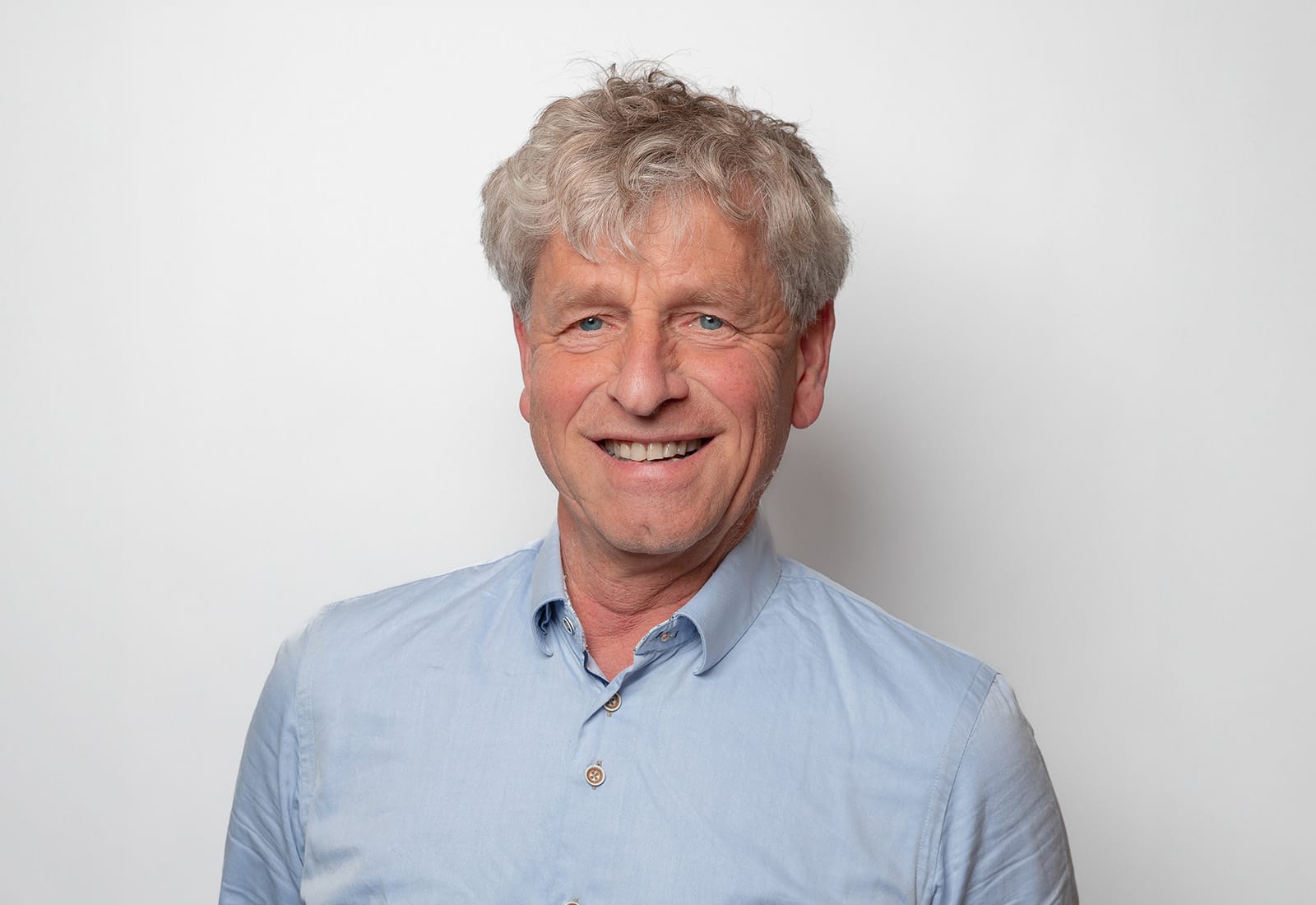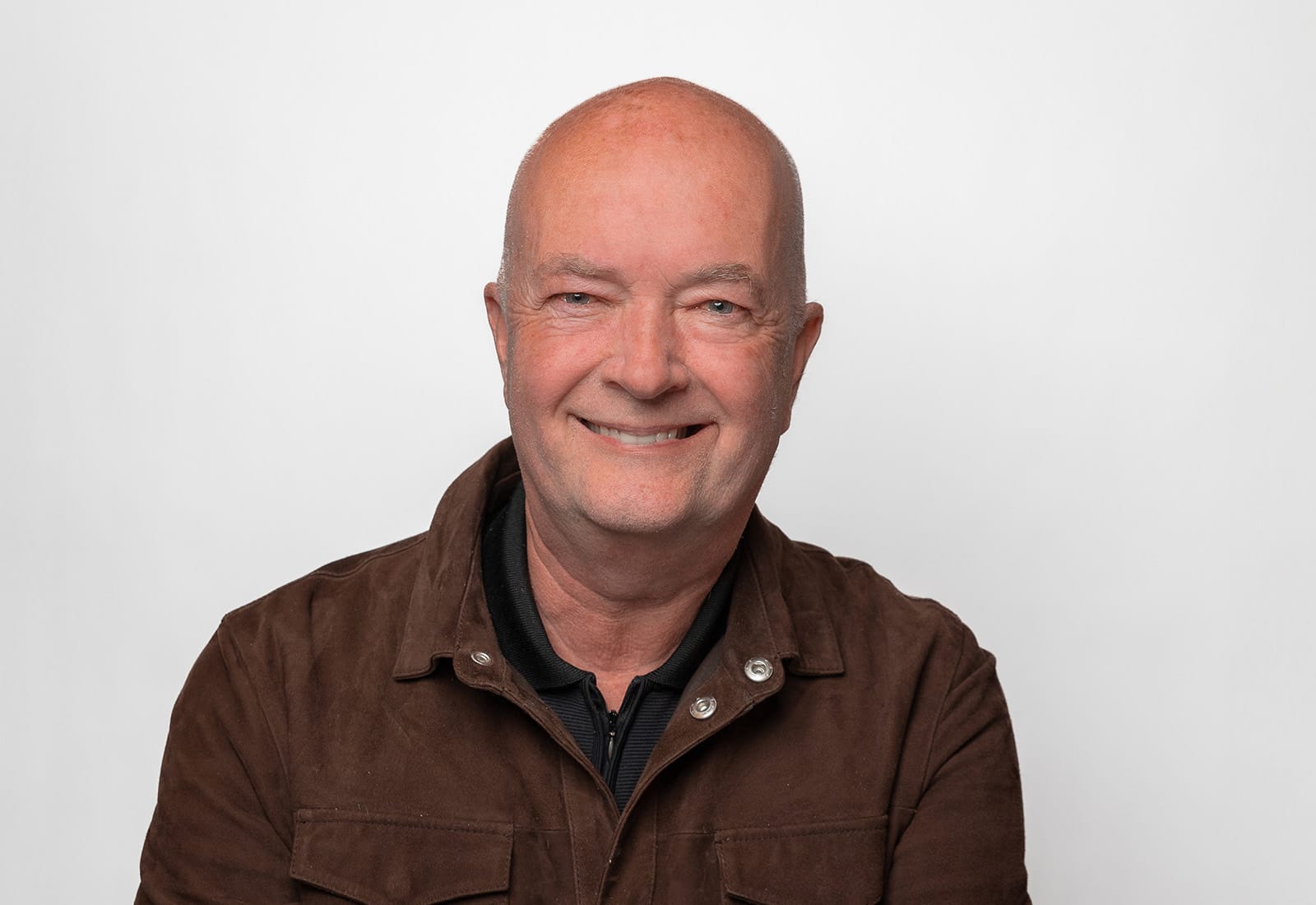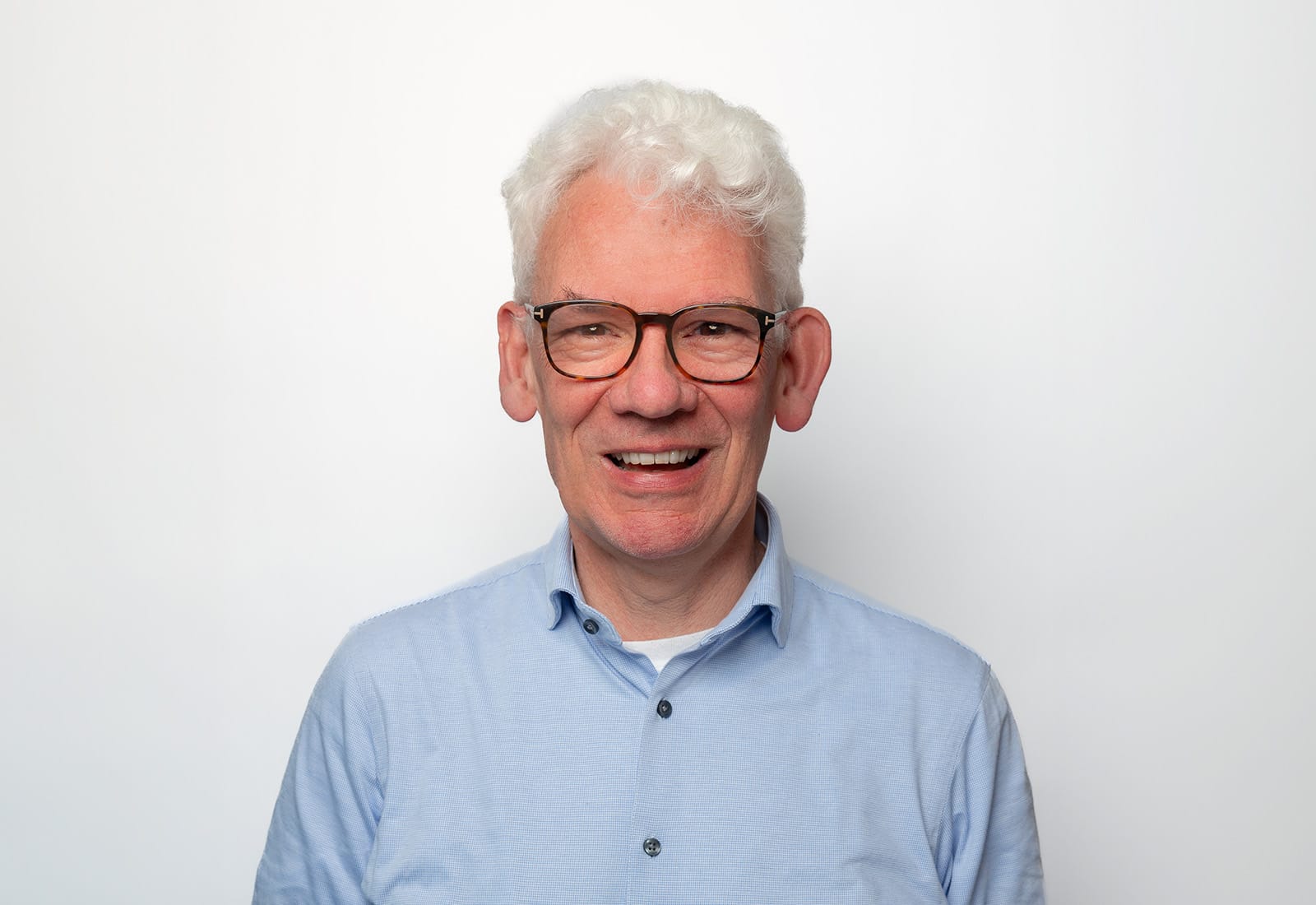



LinkedInHarm Rouwendaal
Senior Consultant
By Objective
By Industry
Success Story
TSD Tooling & Precision. Making the difference down to the thousandth of a millimetre.
Read the case study: TSD Tooling & Precision. Making the difference down to the thousandth of a millimetre.
Popular programmes
From the Blog
Innovation Ecosystems and Public Funding: Why Structure Beats Network
Read the article: Innovation Ecosystems and Public Funding: Why Structure Beats Network
Technology & Quality
Success Story
Moekotte. Fifteen years of partnership, three funding schemes on.
Read the case study: Moekotte. Fifteen years of partnership, three funding schemes on.
Practice
Webinar
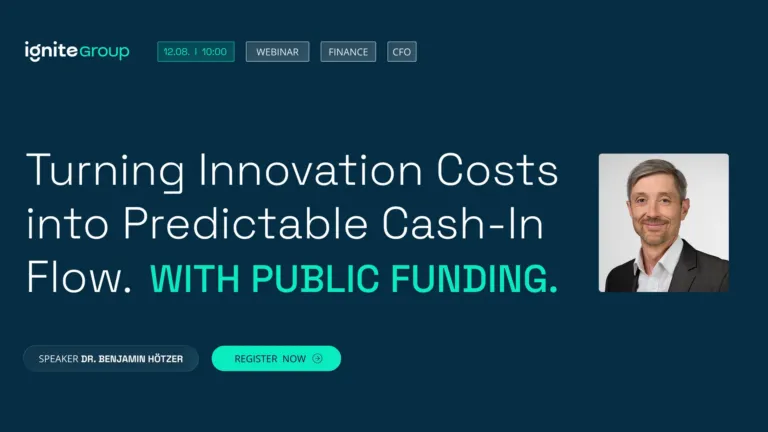
Turning Innovation into Predictable Cash-In Flow with Public Funding
Watch the webinar: Turning Innovation into Predictable Cash-In Flow with Public Funding
About Us
Network
News
Ignite Group strengthens expertise with acquisition of HGM Consultants
Learn more: Ignite Group strengthens expertise with acquisition of HGM Consultants
Choose your region
Read the case study
By Level
All programmes at a glance EU funding National funding Regional fundingPopular programmes
WBSO Innovationbox MIT grant VEKI MIA | Vamil EIA Horizon Europe EIC Accelerator
Read the article
How We Work
Our Process From Idea to Disbursement Engagement models Training and workshopsTechnology & Quality
AI and digital delivery Vindsubsidies.nl Grant Desks Grant Administration (SAS) SVS-UIT
Read the case study
The feasibility project is one of the instruments of the SME innovation stimulation Region and Top Sectors (MIT). In addition to the MIT feasibility subsidy, you can also apply for a subsidy for MIT collaboration projects. An innovation project can be excellent, yet without prior testing it can still fail. This is why you should apply for a subsidy to evaluate the technical and economic risks.
Budget
€3.36m
Deadline
Varying
Location
Regional
MIT Feasibility – key facts at a glance
The feasibility project is one of the instruments of the SME innovation stimulation Region and Top Sectors (MIT). In addition to the MIT feasibility subsidy, you can also apply for a subsidy for MIT collaboration projects. An innovation project can be excellent, yet without prior testing it can still fail. This is why you should apply for a subsidy to evaluate the technical and economic risks.
Target audience
Small and medium-sized enterprises (SMEs)
SMEs with plans for a technological innovation
Companies with a project within the missions and key technologies
Individual SME entrepreneurs, with no partnership required
SMEs with a location in the province running the call
Requirements
At least 60% of the project costs spent on the feasibility study
Alignment with a Knowledge and Innovation Agenda (KIA)
A project running for no longer than 1 year
Project start after submission, at the latest 4 months later
A business that is not in financial difficulty
Eligible costs
Hours and wage costs of your own staff for the project
Hiring an external adviser, expert or research institution
Material costs for the feasibility study
Rental of equipment and apparatus during the project
All cost types together up to €20,000 in subsidy per project
The feasibility project is one of the instruments of the SME innovation stimulation Region and Top Sectors (MIT). In addition to the MIT feasibility subsidy, you can also apply for a subsidy for MIT collaboration projects. An innovation project can be excellent, yet without prior testing it can still fail. This is why you should apply for a subsidy to evaluate the technical and economic risks.
We are happy to explain whether it is possible for you to apply for this subsidy and what conditions must be met.
MIT stands for Innovation Promotion Top Sectors. An MIT feasibility project consists of a feasibility study, or a combination of a feasibility study, industrial research, and/or experimental development. These activities are essential for technological innovation and are often supported by governments, fiscal incentives, or other funding mechanisms. The costs of the MIT feasibility project must consist of at least 60% costs for the feasibility study.
The subsidy can amount to up to €20,000. The allocation of the subsidy is based on the ‘first come, first served’ principle. This means that applications are assessed in the order they are received. Therefore, it is important to apply for this subsidy in a timely manner. Often, we see that the budget is exceeded on the first day of submission. All applications received on that day are compared with each other.
Did you know that there is also an MIT R&D collaboration program ? Especially for SMEs that enter into a collaborative partnership and focus on the development or innovation of products, production processes, and/or services. Of course, we can also assist you with this.
You can apply for MIT subsidy if you are an SME involved in an innovation project within one of the top sectors: Agri & Food, Creative Industries, Energy, Life Sciences & Health (LSH), Logistics, High Tech Systems & Materials (HTSM), Horticulture & Starting Materials, and Water. In 2026, the project must also align with one of the themes of the mission-driven top sector policy: Energy transition & sustainability, Agriculture, water & food, Health & care, Security, Key technologies, and Societal earning capacity.
As mentioned, an MIT feasibility project consists of a feasibility study, or a combination of a feasibility study, industrial research, and/or experimental development.
What is meant by feasibility study? In a feasibility project, at least 60% of the activities will be carried out under the heading of a feasibility study. You can then think of:
What is meant by industrial research? This is about acquiring new knowledge and skills through research, with which products, processes or services can be improved or developed.
What is meant by experimental development? Experimental development is the subsequent phase after industrial research. It involves systematic work that utilizes existing knowledge obtained from research and/or practical experience, aimed at producing new materials, products, or devices, establishing new processes, systems, and services, or significantly improving existing ones.
Applying for a subsidy for MIT feasibility projects is possible from April 8, 2025. The first come, first serve principle applies to this arrangement. This means that applications are assessed on an incoming basis until the budget is exhausted.
Thanks to our 25 years of experience, we can optimize your grant process and take it almost completely off your hands. What to think about in terms of work?
A funding advisor is an expert who guides companies through the complex process of applying for public funding and secures the best funding for their projects – from selecting the right programmes through the application to the final report.
At Ignite we work success-driven: we only make you an offer when we are convinced your project is eligible. You are supported comprehensively throughout the process while you concentrate on your core business – we take on the time-consuming part.
Our services as funding advisors

The advantages of our funding advisory

500Million
funding realized in 2025
95%
Success rate
15,000+
Funding applications in the last five years
300+
Funding and sector specialists
25+
Years of experience
11
Locations
A team of specialists at your service
LinkedInSenior Consultant
LinkedInMedior Consultant
LinkedInPrincipal Consultant
LinkedInMedior Consultant
LinkedInSenior Consultant
LinkedInMedior Consultant
Usually yes. The eight sectors cover our focus areas, not the limits of the funding landscape. What matters is the purpose of your project, not the sector label.
It finds suitable programmes, assesses the chances, prepares applications and supports the reporting. At Ignite Group that starts with your objective rather than with a list of programmes.
Usually by whether the outcome is established at the outset. If the solution can be looked up and simply implemented, there is no eligible development. If it has to be tested, discarded and developed anew, there is.
Usually several apply. What matters is which one is the current bottleneck: capital for growth, development work without matching finance, too narrow an instrument mix, or uncertainty about evidence. We work that out in the first conversation.
Then several instruments frequently apply, for different projects. We map your whole project portfolio rather than pinning you to one sector.
At national level these include the WBSO, the MIT R&D scheme, the Innovatiebox, the MIT feasibility studies and the DHI scheme. European instruments such as EUREKA Eurostars are relevant too. Which ones fit your project is something we determine up front.
That depends on the project, the scale of funding and the model chosen. Our engagement models are explained on a dedicated page, so you know in advance which options exist.
Active in research and development, with development and production in the last 4 years? Get in touch now and benefit!