










 LinkedIn
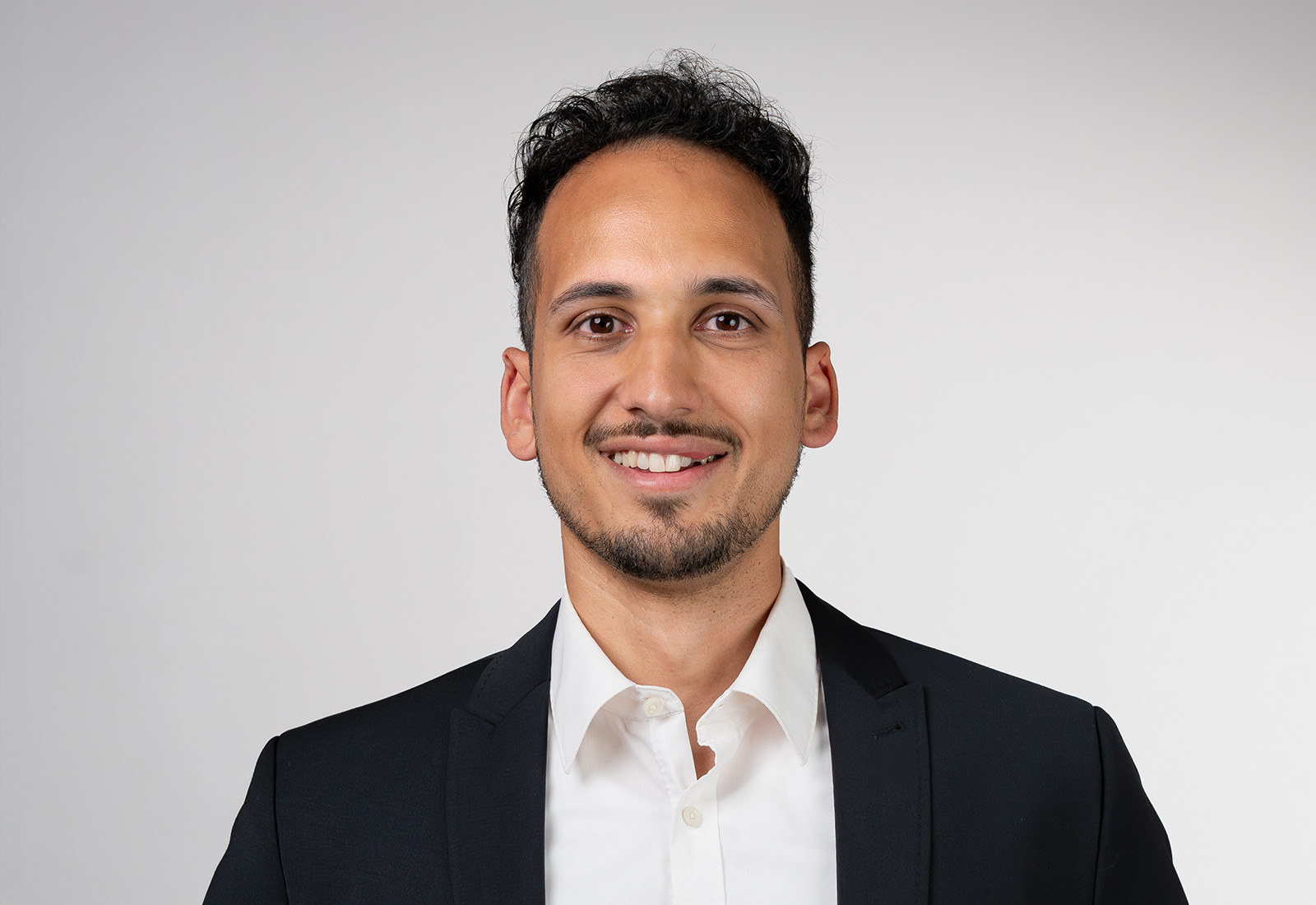
Dr. Marco Nesarajah
Senior Manager
When budgets tighten, the first reflex is usually to limit the scope of development projects. That slows down exactly the work that would make the difference tomorrow. Public research funding applies precisely here. It turns development work from a pure cost block into a forecastable cash flow, without diluting your equity, and protects your technological lead.












Development costs time, people and capital. When capital gets tight, the cuts usually land on the exploratory projects with the greatest potential. Research funding creates room for exactly those: for development time, prototypes, tests and the detours that belong to any serious development work.
The effect is not only financial. Teams that know part of the development cost is covered plan differently: longer test series, more variants, fewer premature stops.
Innovation stops being a cost block you defend every budget round and becomes a forecastable, non-dilutive layer behind the roadmap you already have.
There is public funding available for exactly this kind of work, because research and development are what most European programmes are designed to support. The difficulty is practical. Programmes are hard to track, eligibility is easy to misjudge, and the applications take time that engineering teams do not have. So the funding that could protect the roadmap often goes unclaimed, and the roadmap gets shortened instead.
Much of this funding, in the form of R&D tax credits and grants, is also money you do not repay and do not give up equity for. For a company that is investing ahead of revenue, that makes it the cheapest way to keep building.
It saves equity and cash. R&D tax credits return cash against money you are already spending, and grants cover work you were going to do anyway. That is capital you do not have to raise, which for a younger company often means a longer runway and a cleaner cap table.
It lets you move faster. Funding identified early and planned across the roadmap means you can start the next piece of work sooner, rather than waiting for it to compete for internal budget.
The point is not to add administration to your teams. It is to fund the work you were always going to do.
Several instruments are often available at the same time for research and development. We build a funding strategy for your whole project portfolio and check which approach fits which project. The overview below separates instruments by scope.
Horizon Europe: collaborative research and development, usually in multi-country consortia.
EIC Accelerator: market-facing innovation with breakthrough potential, for single companies.
EUREKA Eurostars: international R&D projects by smaller companies. Note that Eurostars is not part of Horizon Europe but draws on its own source.
These programmes offer considerably more volume but ask for more in return: international consortia, longer lead times and substantially more work on the application. Success rates at the top European programmes are markedly lower than for national instruments. A European application should therefore never be the only pillar of your development financing, but the addition to a solid base.
Forschungszulage: a tax-based instrument open to all companies liable to tax in Germany, retroactive for up to four years and without application deadlines. The plannable base of any funding strategy.
ZIM: grant programme for development work by small and medium-sized enterprises, alone or in collaboration.
kmu-innovativ and IGP: thematically targeted calls with their own deadlines.
Since 7 July 2026, ZIM has not been accepting new applications, with the exception of open international calls. Resumption is planned for early 2027.
WBSO: the base instrument, reducing payroll tax for staff working on research and development. Works monthly and also without profit.
MIT R&D: regional tender for collaborative R&D between at least two SMEs, assessed by ranking rather than first come first served.
Innovatiebox, MIT feasibility studies and DHI: further national instruments covering profit from innovation, early feasibility work and international demonstration.
Funding research and development well depends on understanding the research and development. The judgement that matters, which projects qualify and how to describe them so an evaluator agrees, is made by people who know both the technology and the programmes, and many of our specialists come from technical backgrounds and can hold that conversation at the right level. Technology runs in the background to widen the search, support the analysis and take over the repetitive administrative work, which leaves our specialists more time for your team and for the technical detail of each case. It does not decide what is eligible or how a case is made. The human factor is the one that carries the result.
We go through your development work and separate what qualifies from routine activity.
Not every programme fits every project. We find the funding that matches your development pipeline and your objectives.
We write against the actual evaluation criteria and present the technical uncertainty so that it is traceable.
We keep time records, drawdowns and evidence audit-proof throughout the funded period.
This is the whole point of how we work. Your team keeps doing the development, and we make sure it gets funded to the maximum that is realistically possible: least effort from your side, best outcome, lowest compliance risk.
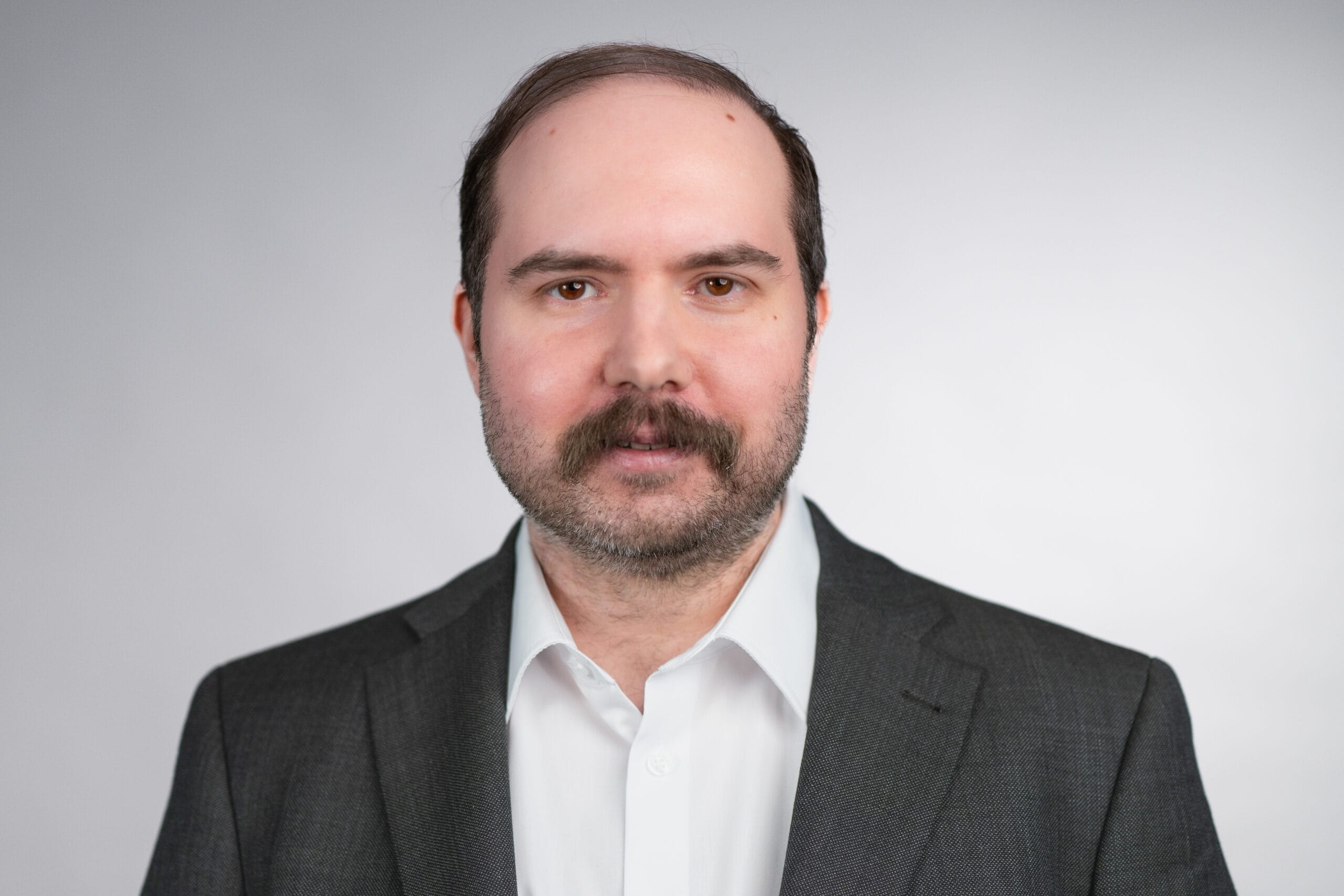
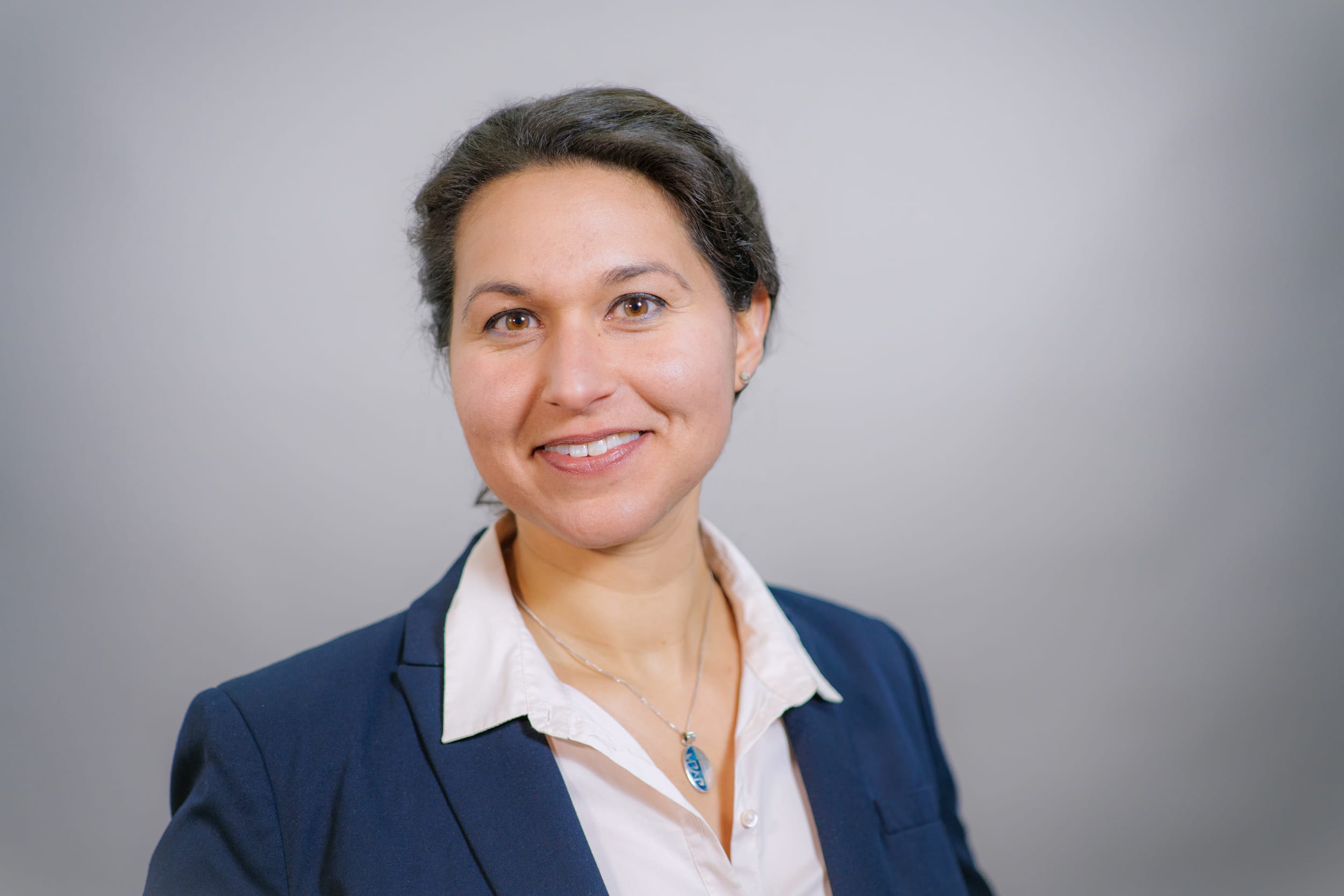
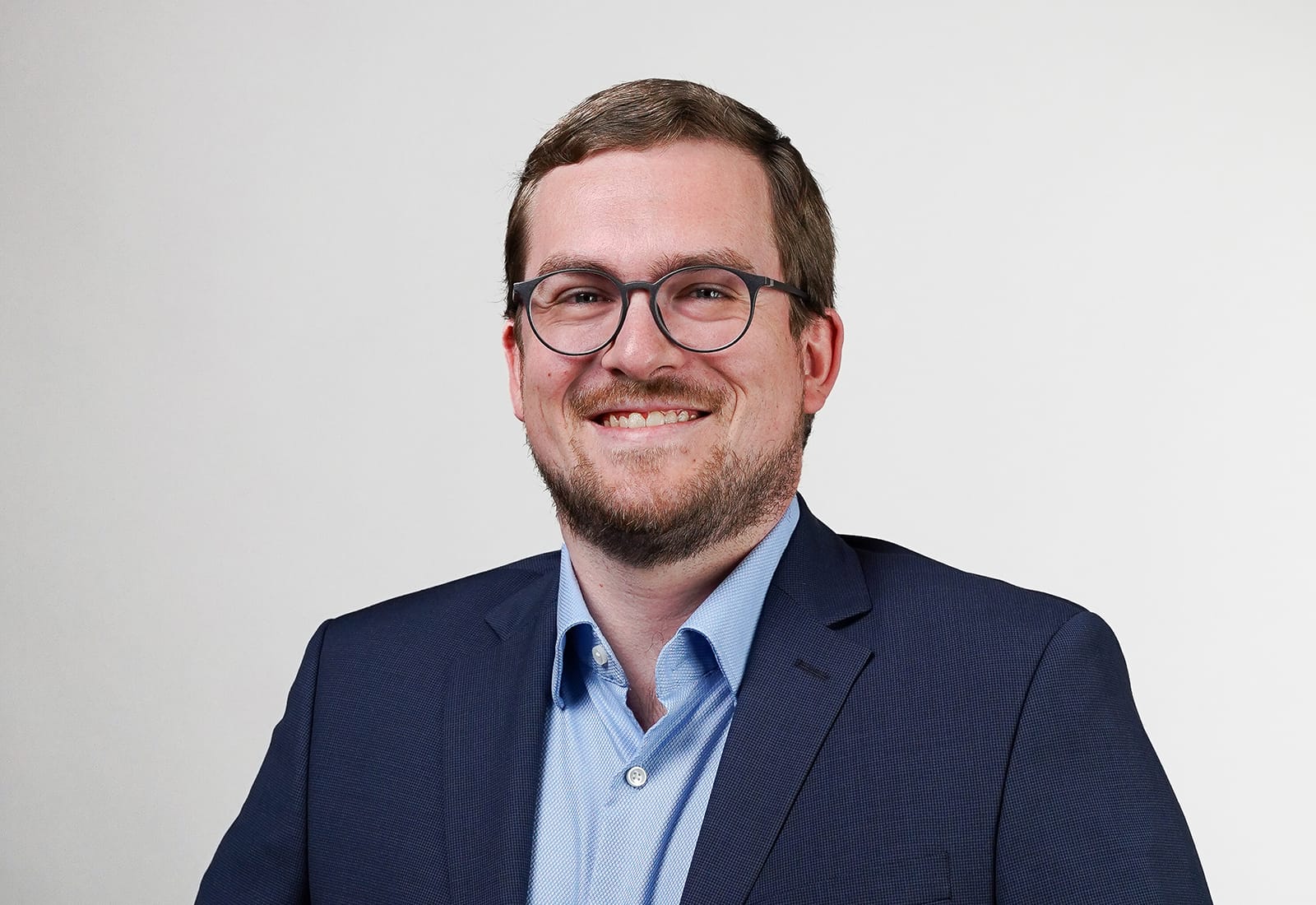
The people behind your application
LinkedInSenior Manager

Senior Consultant

Consultant
 LinkedIn
Senior Consultant
 LinkedIn
Senior Consultant
 LinkedIn
Consultant
 LinkedIn
Consultant
 LinkedIn
Consultant
 LinkedIn
Senior Consultant
 LinkedIn
Consultant
 LinkedIn
Manager
 LinkedIn
Consultant

Your competitors are already using public funding to keep their development moving, and it is funding you have earned just as much. The difference over time comes down to who secures it early and who lets good projects get cut for the wrong reason.
When funding is planned into the roadmap from the start, rather than chased once a year, you keep building through the cycles that would otherwise slow you down.