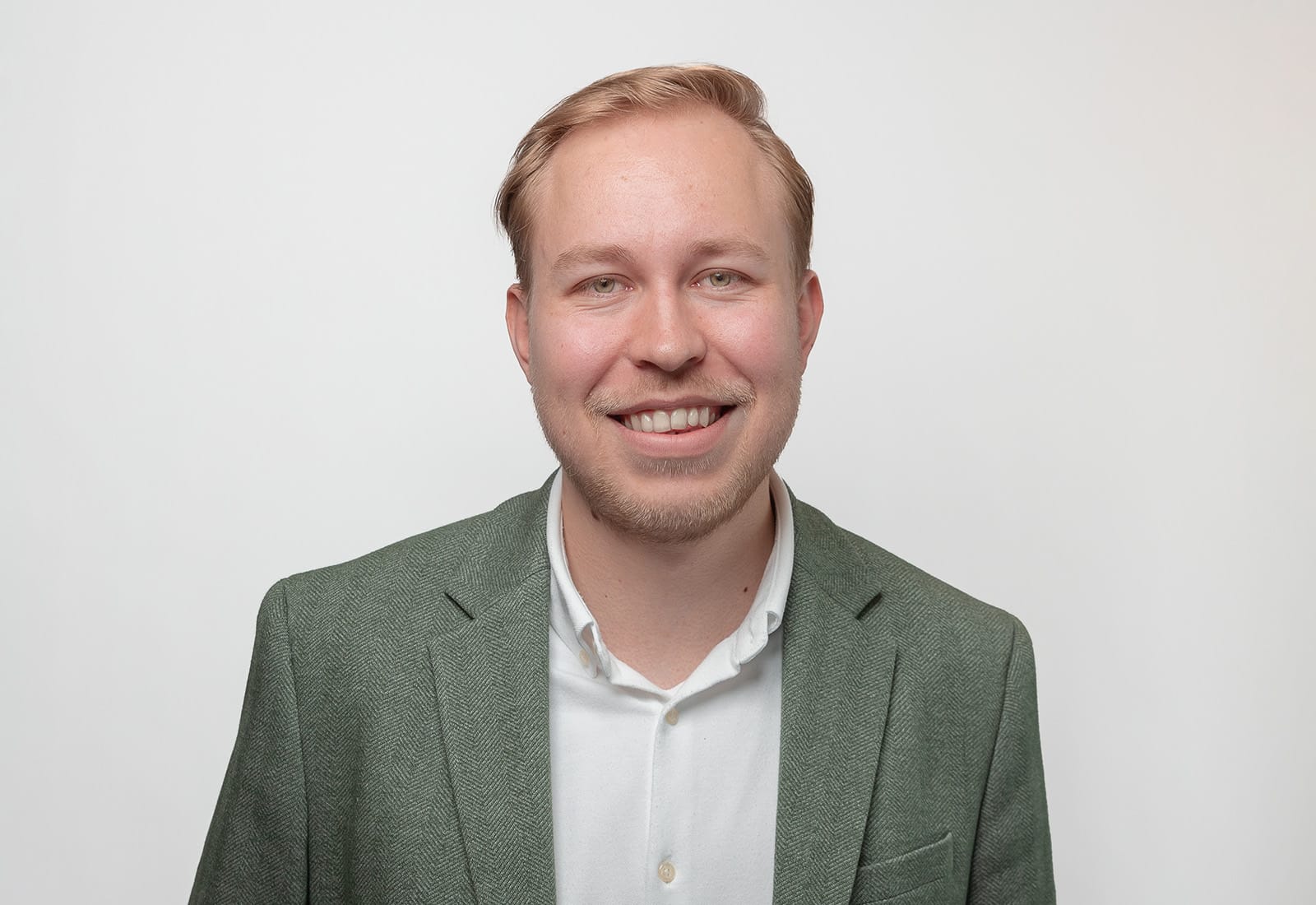





A team of specialists at your service
DaanWagenvoort
Medior Consultant
 Read the case study
MIT, in full Mkb innovatiestimulering Regio en Topsectoren, supports innovation projects in which SMEs work together.
Budget
€7.84m
Deadline
15.09.2026
Location
National
MIT R&D – key facts at a glance
MIT, in full Mkb innovatiestimulering Regio en Topsectoren, supports innovation projects in which SMEs work together. This page covers what MIT funds, which conditions apply and how the regional windows work.
Target audience
Small and medium-sized enterprises (SMEs)
Companies with a project within a top sector policy theme
Partnerships of at least two SMEs
Partners acting for joint account and risk, not from the same group
Partnerships without legal personality of their own
Requirements
A project running for no longer than 2 years
Industrial research, experimental development or a combination
A technologically innovative project or a new application
A project result with economic value for the participants
A project result that contributes to several sectors
Eligible costs
Only the project costs of the SME partners (35% subsidy)
Development or renewal of products, processes or services
Staff costs for research and development (R&D)
Regular projects from €50,000 to €200,000 in subsidy
Large projects up to €350,000 in subsidy (€175,000 per partner)
A funding advisor is an expert who guides companies through the complex process of applying for public funding and secures the best funding for their projects – from selecting the right programmes through the application to the final report.
At Ignite we work success-driven: we only make you an offer when we are convinced your project is eligible. You are supported comprehensively throughout the process while you concentrate on your core business – we take on the time-consuming part.
Our services as funding advisors
The advantages of our funding advisory

A team of specialists at your service
Medior Consultant
A team of specialists at your service
Medior Consultant
A team of specialists at your service
Senior Consultant
A team of specialists at your service
Medior Consultant
A team of specialists at your service
Senior Consultant
Active in research and development, with development and production in the last 4 years? Get in touch now and benefit!